
The Intelligent Marketer: Shaping the Role of Marketing in the AI Era
The Intelligent Marketer: Shaping the Role of Marketing in the AI Era
- July 7, 2026
- Comments: 0
- Posted by: MSK Kenya
Artificial intelligence is no longer a glimpse into the future—it is here, reshaping how marketers understand consumers, create campaigns, and build brands. As AI becomes an integral part of the profession, marketers are faced with an important challenge: how do we embrace innovation while preserving the human qualities that inspire trust and meaningful connections?
This was the central conversation at the MSK Marketers’ Summit 2026, held under the theme “The Intelligent Marketer: Shaping the Role of Marketing in the AI Era.” Bringing together industry leaders, policymakers, innovators, and marketing professionals, the summit explored what it means to lead in a world where technology is evolving faster than ever before.
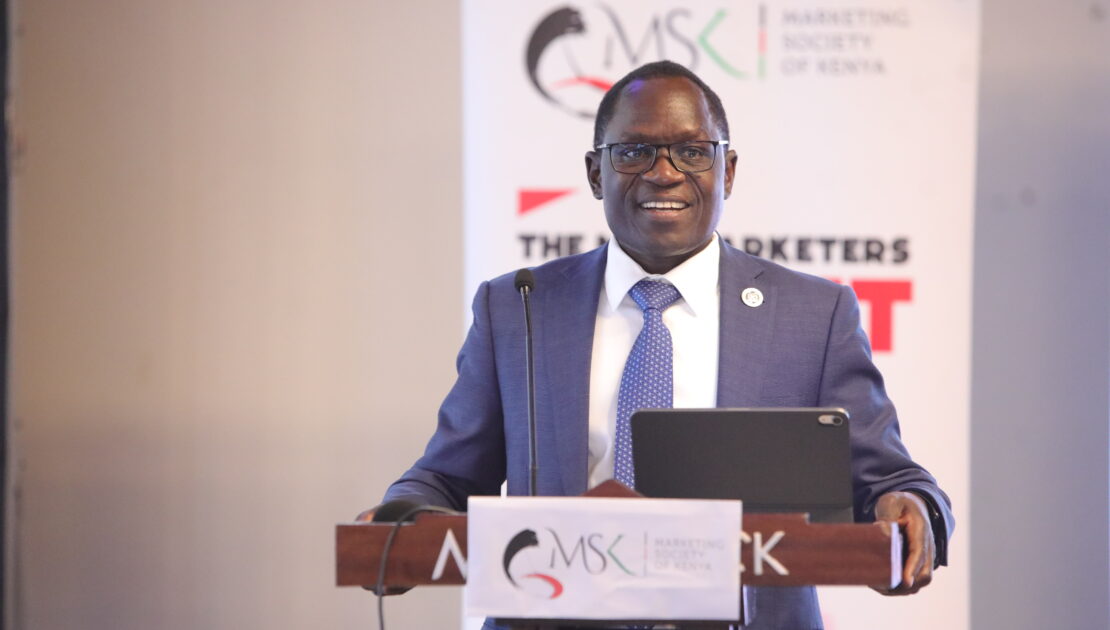
Delivering the keynote address, Steve Isaboke, EBS, Principal Secretary for Broadcasting and Telecommunications, challenged marketers to see artificial intelligence not as a replacement for human expertise, but as a tool that enhances it.
“AI is not here to think for you. It’s here to sharpen what you already carry—your judgment, your instinct, and your values.”
His message set the tone for a thoughtful discussion on the future of marketing—one where innovation and responsibility must go hand in hand.
Marketing Begins with Trust
Reflecting on the history of the Marketing Society of Kenya, the Principal Secretary reminded delegates that marketing has always been about more than promoting products or services. Since the Society’s beginnings in 1962, the profession has been built on communication, relationships, and trust.
Those foundations remain just as relevant today.
While AI can write copy, analyse data, personalise customer experiences, and optimise campaigns in seconds, it cannot replace the qualities that make great marketers truly effective—empathy, creativity, cultural understanding, and ethical judgment.
As technology continues to evolve, maintaining consumer trust becomes even more important.
“What happens when someone sees an advertisement and can no longer tell whether it is real?” he asked. “That is no longer just a technology issue; it is a trust issue.”
For marketers, the responsibility is clear: every message, campaign, and customer interaction must continue to build confidence in an increasingly digital world.
AI Should Empower, Not Replace
Artificial intelligence is transforming the way marketing works. It enables faster decision-making, deeper customer insights, and greater efficiency across organisations.
But speed, the Principal Secretary noted, should never be confused with wisdom.
The best marketing decisions are still guided by human experience, intuition, and values. AI can support marketers by processing information and identifying patterns, but it cannot make ethical choices or understand the nuances of culture and human emotion.
The future of marketing, therefore, lies not in replacing people with machines, but in combining technological capability with human intelligence.
Data Is a Matter of Responsibility
As AI becomes increasingly dependent on data, marketers also have a growing responsibility to protect consumer information.
The Principal Secretary emphasised that data governance should not be viewed simply as regulatory compliance. It is about respecting the people behind the data and earning their confidence.
He highlighted the growing role of Kenya’s Data Protection Act and the work of the Office of the Data Protection Commissioner in safeguarding citizens’ rights, reminding marketers that trust is built not only through compelling campaigns but also through responsible data practices.
Ethical use of data is no longer optional—it is fundamental to sustainable marketing.
Preparing for the Future
Looking ahead, the Principal Secretary encouraged the marketing profession to invest in the next generation of talent.
He called on the Marketing Society of Kenya to strengthen partnerships with universities, modernise marketing education, and expand mentorship opportunities so that graduates are equipped not only with digital skills, but also with the ethical leadership needed to thrive in an AI-powered world.
Tomorrow’s marketers will need more than technical expertise. They will need curiosity, adaptability, critical thinking, and the confidence to make decisions that technology alone cannot.
Shaping the Future Together
The conversations at the MSK Marketers’ Summit 2026 reinforced a simple but powerful truth: AI is changing the role of marketing, but it is not changing its purpose.
Marketing will always be about understanding people, building relationships, and creating value. Artificial intelligence can make marketers more efficient and better informed, but it is human judgment, creativity, empathy, and integrity that will continue to define exceptional marketing.
As the industry embraces new technologies, the challenge is not simply to adopt AI—it is to shape its role responsibly.
That is what it means to be The Intelligent Marketer.